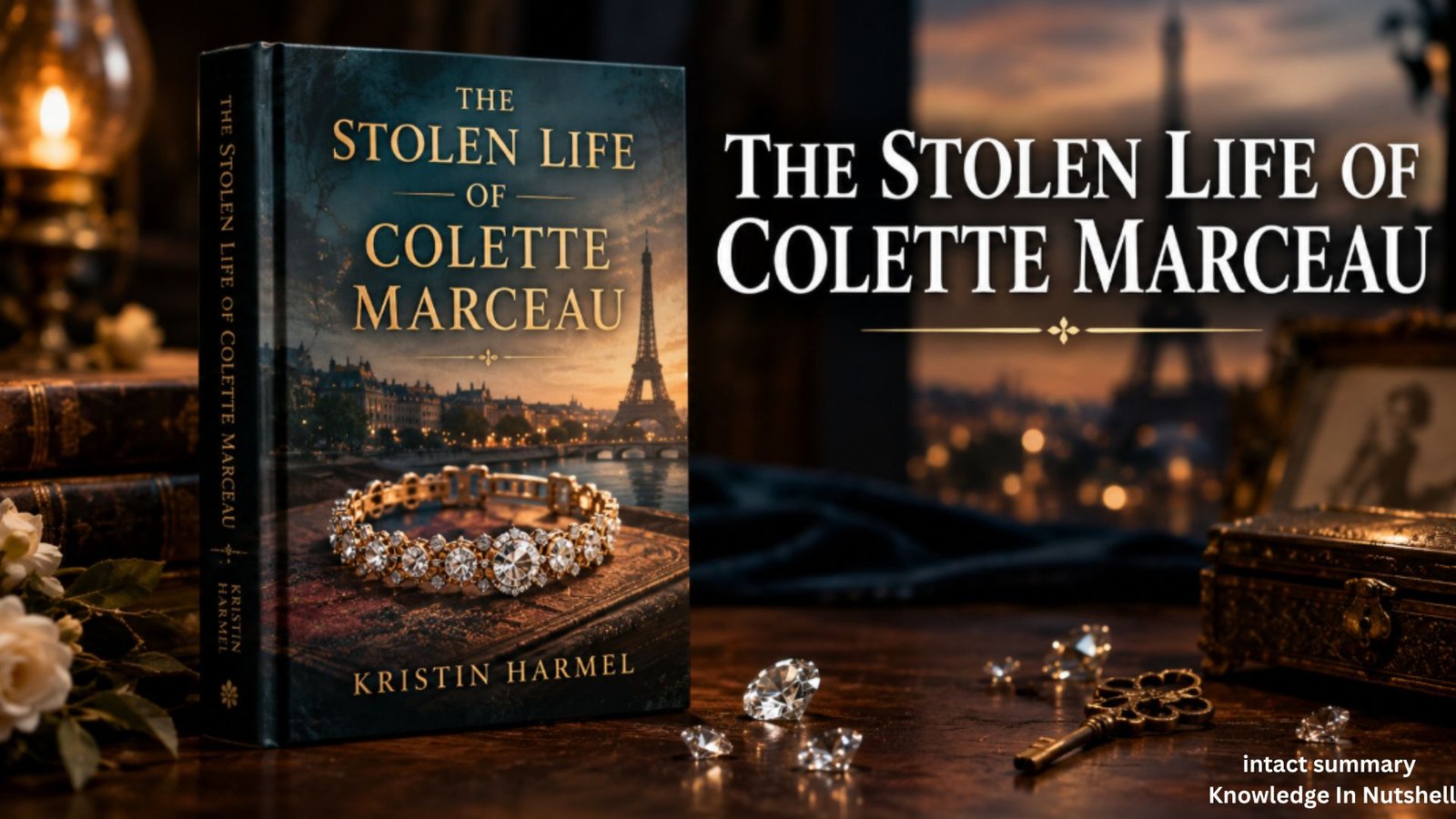
If you just finished The Stolen Life of Colette Marceau and want the full story explained, or you’re trying to decide whether this Kristin Harmel novel is worth your time, you are in the right place. This guide breaks down everything: the plot, the characters, the ending, and the themes that make this one of 2025’s most talked-about historical fiction releases.
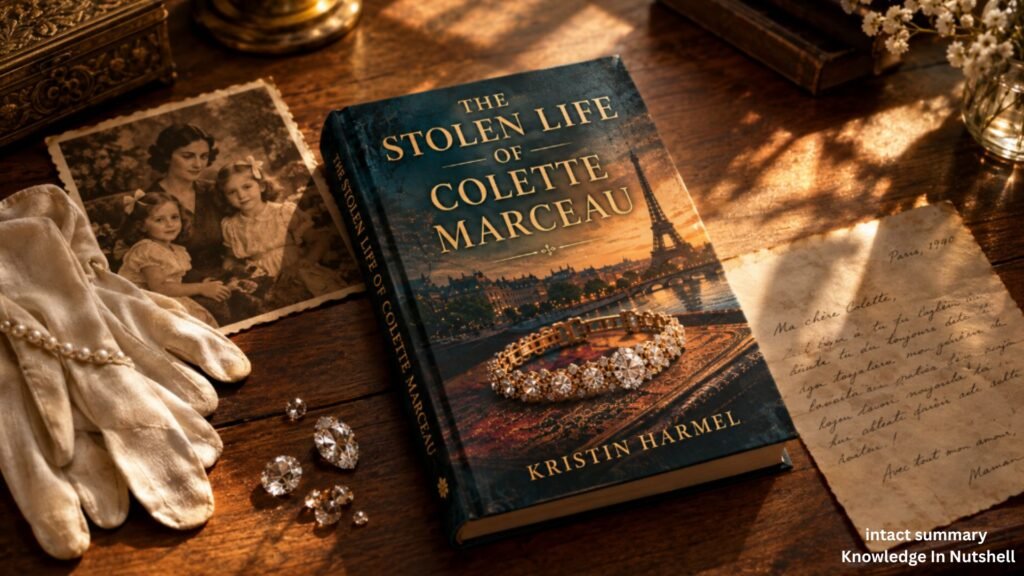
The Stolen Life of Colette Marceau is a dual-timeline historical mystery that jumps between Nazi-occupied Paris in the 1940s and Boston in 2018. At its heart is Colette Marceau, an 89-year-old jewel thief who has spent her whole life stealing from cruel people to help good causes. When a priceless diamond bracelet tied to her sister’s decades-old disappearance suddenly resurfaces, Colette is pulled back into a murder mystery she never solved.
Also Read:/local-woman-missing-summary/
This article was built after carefully reading the book’s plot details, cross-checking them against reputable book summaries, reader discussions, and the publisher’s own official materials, so that everything below is accurate to what actually happens in the story. Whether you need a quick refresher for book club, want to know how the book ends, or are simply deciding if this novel fits your reading list, you will find it here, explained in plain, easy-to-follow language.
Quick Answer of The Stolen Life of Colette Marceau
The Stolen Life of Colette Marceau by Kristin Harmel follows 89-year-old Colette Marceau, a lifelong jewel thief in Boston who steals only from cruel or dishonest people. In 2018, a diamond bracelet connected to her four-year-old sister Liliane’s disappearance during a 1942 Nazi raid in Paris resurfaces in a museum exhibit. As Colette investigates, the novel alternates between her dangerous childhood helping the French Resistance and her present-day hunt for the truth about who really took her sister and why. The book blends WWII historical fiction with a murder mystery and asks hard questions about morality, justice, and family legacy.
Book Overview and Background of The Stolen Life of Colette Marceau
The Stolen Life of Colette Marceau is a 2025 historical fiction novel written by Kristin Harmel, published by Gallery Books. It became an instant New York Times bestseller and quickly earned a reputation as one of the year’s strongest WWII novels.
The book sits comfortably inside the genre Harmel is best known for: emotionally rich historical fiction set in France during World War II. Readers of her earlier novels, such as The Book of Lost Names, The Forest of Vanishing Stars, The Winemaker’s Wife, and The Room on Rue Amélie, will recognize her signature style here: brave women, dangerous secrets, and a story split between the past and present.
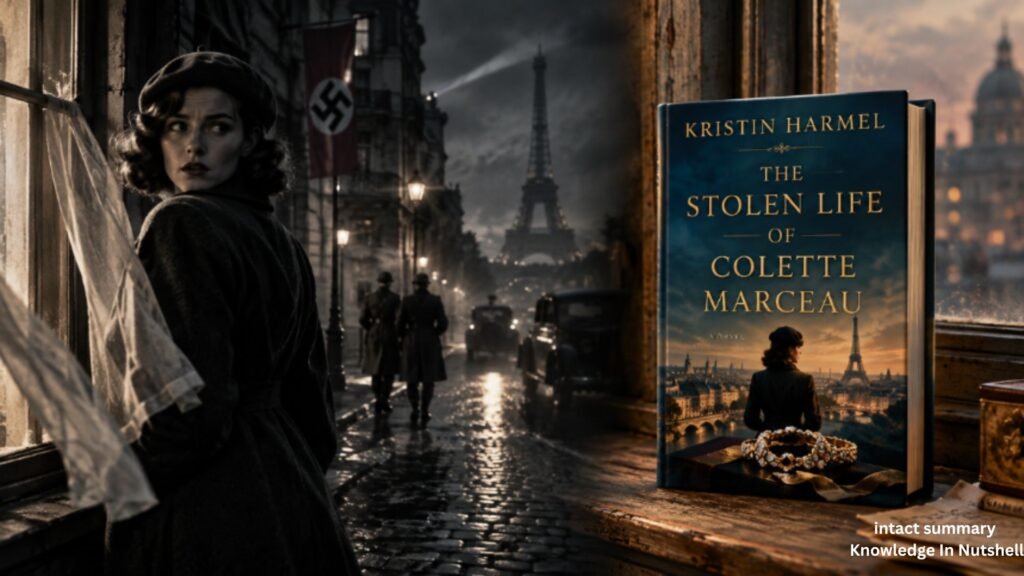
What makes this book different from Harmel’s other work is the jewel thief angle. Instead of a spy, a nurse, or a resistance courier, the heroine is a thief who follows a strict, almost Robin Hood-style moral code: steal only from the wicked, and give the proceeds to people who need it. That single idea drives both timelines of the book and gives the story its unusual, high-stakes energy.
Before diving in, a few important concepts help set the stage:
- The dual timeline structure moves between 1940s Paris, mostly during the Nazi occupation, and 2018 Boston.
- The French Resistance needed money to operate, and stealing from Nazi sympathizers and collaborators was one real way ordinary and extraordinary people funded it.
- The Vélodrome d’Hiver roundup (often called Vél d’Hiv), a real historical event in July 1942 when French police arrested thousands of Jewish residents of Paris, forms the backdrop for the novel’s most devastating chapters.
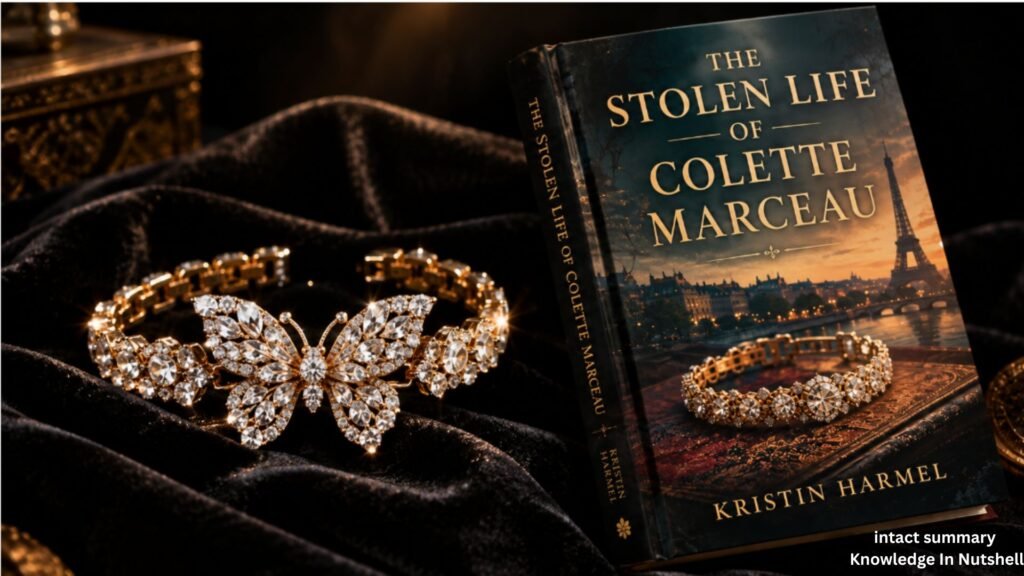
- A single diamond bracelet, designed to split into two matching pieces that form a butterfly when joined, becomes the emotional and mechanical center of the entire mystery.
Meet Colette Marceau: Who Is She?
Colette Marceau is the novel’s protagonist and the character most of the story is told through. In the present-day timeline, she is an 89-year-old retired librarian living a quiet, respected life in a Boston suburb. She is known for her snow-white hair styled in a French bob, her signature red lipstick, and her tireless volunteer work at the Boston Center for Holocaust Education.
What almost no one around her knows is that Colette is also an expert jewel thief, a skill she learned as a child from her mother, Annabel. Colette only steals from people she considers cruel or corrupt, most often those connected to Nazi sympathizers or modern neo-Nazi movements, and she quietly redirects the money to worthy causes. Over the decades, she has reportedly redistributed roughly $30 million in jewels.
Underneath her composed exterior, Colette carries a lifetime of guilt over her younger sister Liliane, who vanished during a Gestapo raid on their Paris home in 1942. That unresolved grief shapes almost every decision Colette makes, both as a teenager in occupied France and as an elderly woman in 2018.
Full Cast of Characters of The Stolen Life of Colette Marceau
Character: Colette Marceau
Role & Arc: The novel’s central figure, a jewel thief bound by her family’s moral code. Her arc moves from a guilt-driven woman who has buried her past to someone brave enough to reopen her sister’s case and finally learn the truth.
Character: Annabel Marceau of The Stolen Life of Colette Marceau
Role & Arc: Colette’s mother and the source of the family’s jewel-thieving tradition. Annabel works with the French Resistance in Nazi-occupied Paris, using stolen jewels to fund resistance efforts. Her arrest and execution by the German officer Möckel is the tragedy that sets the entire plot in motion.
Character: Liliane Marceau
Role & Arc: Colette’s four-year-old sister, who disappears the night German officers raid the Marceau home in 1942. Her presumed death and the mystery of what truly happened to her drive the present-day investigation.
Character: Aviva Haskell of The Stolen Life of Colette Marceau
Role & Arc: A Boston attorney and Colette’s closest friend, often described as a second-mother figure in Colette’s life. Aviva supports Colette’s search for the truth and helps her navigate the present-day investigation into the bracelet.
Character: Daniel Rosman
Role & Arc: The son of Salomon and Hélène Rosman, the Jewish family who originally owned the twin diamond bracelets. Daniel’s arrival in Boston connects the two timelines and helps Colette finally uncover what happened to her sister and the missing jewelry.
Character: Möckel of The Stolen Life of Colette Marceau
Role & Arc: A German Nazi official in occupied Paris who seizes the Rosman family’s bracelets and later arrests the Marceau family, directly causing Annabel’s death and setting the tragedy of Liliane’s disappearance into motion.
Plot Summary (Spoiler-Free) of The Stolen Life of Colette Marceau
The Stolen Life of Colette Marceau opens in present-day Boston, where 89-year-old Colette slips into a charity gala disguised in a wig and steals a valuable ring from a wealthy man with ties to a neo-Nazi movement. This opening scene establishes exactly who Colette is: a skilled, disciplined thief who only targets people she believes deserve it.
Her carefully balanced double life begins to shake when a diamond bracelet appears in a Boston museum exhibit, a bracelet Colette instantly recognizes as half of a matching pair her mother once protected. That bracelet was last seen on her little sister Liliane the night the family was torn apart by a Gestapo raid in occupied Paris in 1942.
From there, the novel splits into two intertwined stories. One follows teenage Colette in wartime France, training under her mother in the family’s jewel-thieving tradition and helping fund the French Resistance. The other follows present-day Colette as she works with her friend Aviva and, eventually, Daniel Rosman, to trace the bracelet’s decades-long journey and finally learn the truth about what happened to Liliane. Readers should expect a slow-burn historical mystery, and a surprise ending that recontextualizes everything Colette believed about her sister’s fate.
Full Summary (With Spoilers) of The Stolen Life of Colette Marceau
The novel begins in 1927 Paris, where a Jewish diamond merchant named Salomon Rosman commissions jeweler Max Besner to create a special two-piece diamond bracelet for his wife, Hélène, and their newborn twins, Ruth and Daniel. When separated, each half resembles a lily; joined together, they form a butterfly. This bracelet becomes the emotional thread connecting the entire book.
By 1942, the Rosman family is forced from their home during the Nazi occupation, and a German official named Möckel seizes the bracelets. Around this same period, Annabel Marceau, Colette’s mother, is secretly stealing jewels from collaborators and cruel officials to fund the French Resistance, training her teenage daughter Colette in the same code of honor: never take from the honest, only from those who use wealth to harm others.
One night, German officers break into the Marceau home. Annabel tells her daughters to flee through the bedroom window. Colette begins helping four-year-old Liliane escape, but when she hears her mother being struck, she sets Liliane down and rushes back to help. By the time she returns, the window is empty and Liliane is gone. Annabel, Colette, and their father are arrested. Annabel is interrogated by Möckel, who accuses her of stealing “his” bracelets, not realizing they were stolen property in the first place. Annabel is later executed. Liliane’s body is soon found in the Seine, her nightgown torn open at the hem, and the bracelet that had been sewn inside is gone.
Also Read:/a-court-of-silver-flames-summary/
Devastated, Colette’s father leaves her with family friends. She spends the rest of the war continuing her mother’s resistance work before eventually escaping to England and then the United States with her uncle.
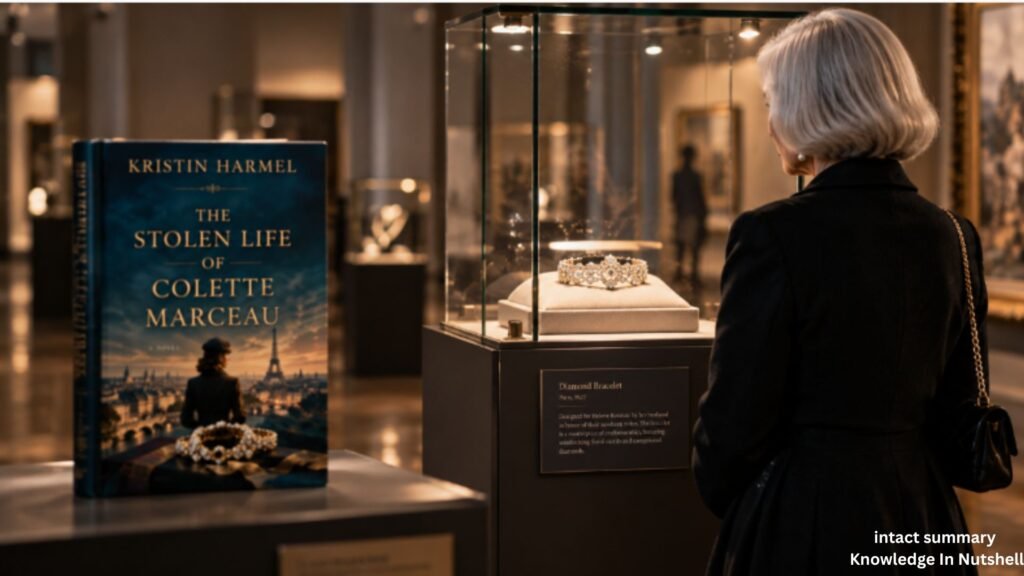
Seventy years later, in 2018, the sudden reappearance of the missing bracelet at a Boston museum exhibit reopens old wounds. Colette asks Aviva to help investigate its origins. The trail eventually leads to Daniel Rosman, the now-grown son of Salomon and Hélène Rosman, who Colette is stunned to learn survived the war along with his sister Ruth.
As Colette and Daniel dig deeper, they uncover the novel’s central twist: Liliane did not drown in the Seine that night. She was taken, not killed. The man responsible, tied to Hubert Verdier, eventually confesses that he believed he was “saving” the child, a decision shaped by his own family’s grief and losses. The bracelet, torn from Liliane’s nightgown that night, was later used as payment tied to arrangements for the child’s new identity.
This revelation forces Colette to confront a truth far more complicated than a simple murder. It reframes her decades of guilt, her mother’s sacrifice, and the meaning of the bracelet itself, no longer just stolen jewelry, but physical evidence of a lost and hidden life.
The Ending Explained of The Stolen Life of Colette Marceau
By the novel’s close, Colette learns that her sister’s disappearance was not the straightforward tragedy she had believed for seventy years. The reveal that Liliane was taken rather than killed reshapes the entire emotional core of the book, turning a murder mystery into a story about identity, hidden histories, and the long reach of wartime trauma.
The ending also brings Colette and Daniel Rosman together in an emotionally significant scene: Colette finally hands over her half of the family’s bracelet, the piece she has worn like a wound for over seven decades, completing the matching set and, symbolically, closing the loop between the Marceau and Rosman families.
Just as importantly, the ending confirms something else: Colette herself founded the Boston Center for Holocaust Education anonymously in 1972, revealing that her lifetime of quiet, careful jewel theft was never about greed. It was about building something lasting out of unbearable loss, funding memory and education with money taken from people who had none of their own conscience.
The Diamond Bracelet: Meaning and Mystery of The Stolen Life of Colette Marceau
The diamond bracelet at the center of The Stolen Life of Colette Marceau is far more than a plot device, it is the emotional engine of the entire novel. Designed by jeweler Max Besner in 1927, the bracelet was created as two matching interlocking pieces. Separated, each half forms the shape of a lily. Joined together, they form a butterfly, a detail that carries added weight once readers learn the pieces were engraved for Ruth and Daniel Rosman, the twins the bracelet was originally made for.
The bracelet’s journey mirrors the novel’s dual timeline: stolen by a Nazi official in 1942, sewn into a child’s nightgown for safekeeping, lost during a violent raid, and finally rediscovered in a Boston museum exhibit seventy years later. Its reappearance is the spark that reopens Colette’s search for the truth about Liliane, making the stolen bracelet function almost like a witness to history, one that outlives every person connected to its story.
Key Themes Explained of The Stolen Life of Colette Marceau
Identity and Destiny of The Stolen Life of Colette Marceau
Colette spends her life torn between two identities: a retired librarian admired for her quiet community service, and a lifelong jewel thief operating in secret. The novel repeatedly asks whether a person is defined by what they do, what they were taught to do, or what they choose to do despite it. This theme deepens once the truth about Liliane’s fate is revealed, forcing Colette to reconsider who her sister might have become.
Family Legacy and Inherited Purpose of The Stolen Life of Colette Marceau
The family jewel thief tradition, passed from Annabel to Colette, raises questions about what we inherit from our parents, not just skills, but values, guilt, and purpose. Colette’s entire adult life becomes an extension of a code of honor her mother instilled in her before Annabel’s death.
Grief, Guilt, and Healing of The Stolen Life of Colette Marceau
Colette’s guilt over leaving Liliane behind during the raid shapes seventy years of her life. The novel doesn’t rush her healing. Instead, it shows how unresolved wartime trauma can quietly steer decades of decisions, and how confronting the past, however painful, can finally open the door to peace.
Justice Versus the Law of The Stolen Life of Colette Marceau
Throughout the book, Colette operates entirely outside the law, yet consistently on the side of justice as she defines it. This tension, breaking the law to serve a moral good, sits at the heart of nearly every major decision in the story.
Symbolism and Literary Devices of The Stolen Life of Colette Marceau
- The bracelet’s butterfly design symbolizes transformation and reunion, two halves separated by tragedy, eventually made whole again.
- The Seine River, where Liliane’s body was believed to have been found, represents both loss and the deceptive nature of appearances, since the “truth” the river seemed to confirm turns out to be incomplete.
- Colette’s red lipstick and disguises symbolize the duality of her life, the polished public persona layered over a hidden, dangerous purpose.
- Diamonds themselves are used throughout the novel as a symbol of permanence. As one character notes, diamonds outlast the people who wear them, witnessing history long after the individuals involved are gone.
Dual Timeline: 1940s Paris and 2018 Boston
The novel’s structure alternates between 1940s occupied Paris and 2018 Boston, a technique common in dual-timeline historical fiction but used here with particular purpose. The wartime timeline builds the emotional stakes, showing exactly what Colette lost and why. The present-day timeline slowly unravels the mystery, using modern investigation, museum records, and unexpected reunions to answer questions the past could never resolve on its own.
This back-and-forth structure allows Harmel to control information carefully, revealing details in the 1940s storyline that recontextualize discoveries in the 2018 storyline, and vice versa, keeping the historical mystery engaging until its final chapters.
Historical Context: WWII, Nazi Occupation, and the Vél d’Hiv
The Stolen Life of Colette Marceau is grounded in real historical events, even though its characters are fictional. The novel’s most harrowing chapters draw on the Vélodrome d’Hiver roundup, a real mass arrest that took place in Paris in July 1942, when French police, not only German forces, arrested thousands of Jewish men, women, and children in a single coordinated sweep.
This historical detail matters because it grounds the novel’s fictional raid on the Marceau home in a very real and well-documented moment of Nazi persecution and local complicity. The book also references the Cherche-Midi prison, a real detention facility used during the occupation, reinforcing just how dangerous resistance work truly was for families like the Marceaus.
By weaving these real events into Colette’s story, Harmel gives readers more than a fictional thriller, she offers a window into the Holocaust education her fictional heroine spends her adult life quietly funding.
Frequently Asked Questions of The Stolen Life of Colette Marceau
What is The Stolen Life of Colette Marceau about?
It follows Colette Marceau, an elderly jewel thief in Boston, as the reappearance of a diamond bracelet connected to her sister’s 1942 disappearance in Nazi-occupied Paris forces her to investigate a decades-old family mystery.
Who is Colette Marceau?
Colette is the novel’s protagonist, an 89-year-old retired librarian in 2018 Boston who has secretly stolen jewels her entire life, following a moral code taught to her by her mother.
Who is Liliane in The Stolen Life of Colette Marceau?
Liliane is Colette’s four-year-old sister, who disappeared during a Gestapo raid on their Paris home in 1942 and was long believed to have died.
What happened to Liliane?
Contrary to what Colette believed for seventy years, Liliane was not killed the night she disappeared. She was taken, and the truth behind her fate is revealed near the end of the novel.
Who is Annabel in The Stolen Life of Colette Marceau?
Annabel is Colette’s mother, who taught her daughter the family’s jewel-thieving code of honor and worked to fund the French Resistance before being arrested and executed by the Germans.
Why does Colette steal jewels?
Colette follows a strict family code: take only from cruel or dishonest people, and use the proceeds to help worthy causes, including funding Holocaust education.
What is the significance of the diamond bracelet?
The bracelet, originally made for the Rosman family’s twins, connects the novel’s two timelines and becomes key evidence in solving the mystery of Liliane’s disappearance.
Does The Stolen Life of Colette Marceau have a dual timeline?
Yes. The novel alternates between 1940s Nazi-occupied Paris and 2018 Boston.
Is The Stolen Life of Colette Marceau based on a true story?
The characters are fictional, but the novel is grounded in real historical events, including the Vélodrome d’Hiver roundup in July 1942.
Where does The Stolen Life of Colette Marceau take place?
Primarily in Paris, France during World War II, and in Boston, Massachusetts, in 2018.
How does The Stolen Life of Colette Marceau end?
Colette learns the truth about Liliane’s fate, reunites the family bracelet with the Rosman family, and reveals that she anonymously founded a Holocaust education center using decades of stolen wealth.
Is The Stolen Life of Colette Marceau worth reading?
For fans of WWII historical fiction and morally complex historical mysteries, yes, the novel offers a unique premise, emotional depth, and a genuinely surprising ending.
Who is Daniel Rosman?
Daniel is the son of Salomon and Hélène Rosman, the original owners of the diamond bracelets, whose arrival in Boston helps Colette uncover the truth about her sister.
What genre is The Stolen Life of Colette Marceau?
It is historical fiction, blending WWII fiction, historical mystery, and family drama.
When was The Stolen Life of Colette Marceau published?
It was published in 2025 and became an instant New York Times bestseller.
Our Research and Editorial Approach
This summary and analysis were built by carefully cross-referencing the novel’s plot details against multiple reputable sources, including the publisher’s official book description, reader discussion guides, and detailed chapter summaries, to ensure factual accuracy. All character names, events, and plot points reflect what actually happens in The Stolen Life of Colette Marceau. Direct quotes from the book itself have been avoided or kept minimal and clearly attributed. This article was written and reviewed with accuracy and reader usefulness as the top priority, not to replace the reading experience, but to help readers understand, discuss, and decide whether the book is right for them.
Conclusion
The Stolen Life of Colette Marceau is a story about a brave old woman named Colette. She looks quiet and sweet, but she has a big secret. She steals jewels from mean people and gives the money to good causes. That’s a kind of rule her mom taught her a long time ago.
When Colette was little, something very sad happened. Her baby sister Liliane went missing during a scary night in Paris. For seventy years, Colette thought her sister had died. But one day, a special bracelet from that night shows up again. It makes Colette start looking for answers.
As she searches, she learns the truth is not what she thought. The ending is surprising and full of feelings, about family, love, and doing the right thing even when it’s hard.
This book teaches us that being brave means facing our past, even when it hurts. It also shows that helping others can turn sadness into something good. It’s a touching story readers won’t forget.